

2026-05-29
BeautyAndTheKingdom: A Captivating Adventure in Online Gaming
Explore the enchanting world of BeautyAndTheKingdom, an online slot game brought to you by 385win.com Oficial Slots Brasil #1.

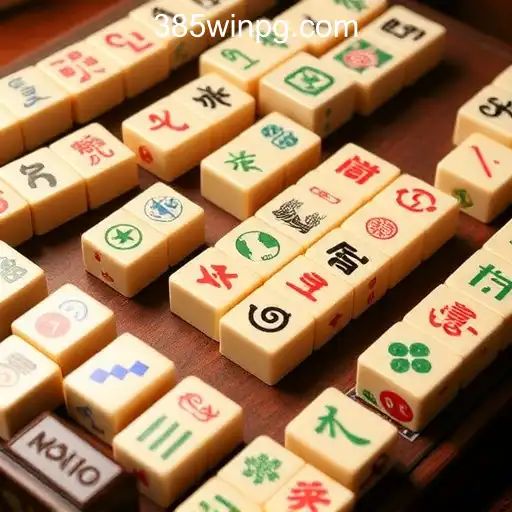
Mahjong is more than just a game; it's a cultural phenomenon. Originating in China during the Qing dynasty, Mahjong has grown exponentially in popularity, crossing borders and captivating audiences worldwide. The game's unique blend of strategy, skill, and chance makes it captivating for enthusiasts across different demographics.
At its core, Mahjong is played with a set of 144 tiles based on Chinese characters and symbols. These tiles are divided into three suits: bamboo, characters, and dots. Additionally, there are honor tiles (winds and dragons) and bonus tiles (flowers and seasons). The objective is to build a hand that contains four melds and a pair, known as the Mahjong hand.
Mahjong is a game for four players, and it begins with players drawing and discarding tiles in turns to form winning hands. An understanding of the rules and strategies is vital for success. Key to these are the concepts of 'Pung' (a set of three identical tiles), 'Chow' (a sequence of three consecutive tiles from the same suit), and 'Kong' (a set of four identical tiles).
Players must balance the need to complete their hand with defensive play, ensuring they don't throw away critical tiles that could benefit others. This strategic depth is one reason why Mahjong remains so engaging.
Over the years, Mahjong has undergone numerous adaptations. In Japan, the game evolved into its own style known as Riichi Mahjong, characterized by distinct scoring elements and rules. In the United States, Mahjong became popular in the 1920s, leading to the development of the American version with unique rules and cards.
With the advent of the internet, Mahjong has found a new arena in the digital world. Online platforms offer various versions of Mahjong, enhancing its accessibility and convenience. Not only does this allow players to enjoy the game at their own pace, but it also introduces Mahjong to a global audience who may not have otherwise encountered it. Thus, Mahjong has found a prominent space in both traditional settings and as part of the online gaming community.
This intersection of traditional gameplay and modern gaming culture is mirrored in platforms like 385win.com Oficial Slots Brasil. As Brazil's number one hub for official slots and games, 385win.com embraces the diversity of gaming experiences, bringing both classic and contemporary games to a broad audience.
Mahjong holds a significant place in preserving cultural heritage, especially within the Chinese diaspora. Playing and teaching Mahjong serves as a way to connect with cultural roots, facilitating the transmission of traditions across generations. Cultural and community centers often hold Mahjong tournaments, demonstrating the game's role in community bonding and cultural continuity.
Ultimately, Mahjong is more than a game of skill. It's a social experience that brings families and communities together. The joyous clatter of tiles and the shared focus on the game create a unique atmosphere that is both competitive and communal. Whether played in bustling teahouses or quiet living rooms, Mahjong is a means of forging connections and sharing experiences.
As society progresses, so does Mahjong. Incorporating technology and modern influences whilst retaining traditional elements ensures Mahjong remains relevant and beloved. This game beautifully balances heritage with innovation, appealing to both nostalgic individuals and new generations of players. As platforms like 385win.com Oficial Slots Brasil continue to evolve and provide varied gaming dynamics, Mahjong's continual adaptation ensures its place in both the digital and physical world.
In conclusion, Mahjong, with its rich history and evolving strategies, offers something for everyone—whether a strategy enthusiast, a social gamer, or someone seeking to connect with their cultural heritage. Its role in the gaming world is especially emphasized in regions like Brazil, where platforms tap into this interest to bring Mahjong to the forefront, intertwining tradition with modern gaming elements in a seamless narrative.
Explore the enchanting world of BeautyAndTheKingdom, an online slot game brought to you by 385win.com Oficial Slots Brasil #1.

Discover the thrilling world of BananaSaga and learn how to play this entertaining game that combines fun and strategy with the excitement of 385win.com Oficial Slots Brasil #1.
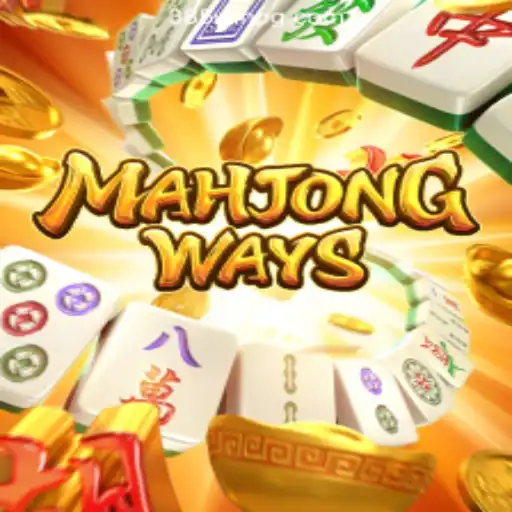
Discover everything you need to know about MahjongWays, an engaging online slot game trending at 385win.com, dubbed #1 in Brasil.